

What to Expect During a Professional Bed Bug Inspection
Bed bug problems rarely resolve on their own—and guessing often makes them worse. A professional inspection is the most reliable way to confirm activity, understand the scope, and choose the right treatment plan. Many homeowners assume a quick visual check is enough, but bed bugs are experts at hiding in tight spaces that are easy to miss. That’s why understanding how a professional bed bug inspection works can save time, money, and stress. So what actually happens when experts evaluate your home?
How the Bed Bug Inspection Process Works
Room-by-Room Evaluation
A professional bed bug inspection begins with a systematic, room-by-room assessment. Inspectors focus first on sleeping areas, then expand to adjacent spaces where bed bugs are likely to spread.
Key areas checked include:
Mattress seams, tags, and box springs
Bed frames, headboards, and nearby furniture
Upholstery seams and cushion edges
Baseboards, wall edges, and carpet transitions
Electrical outlets and small crevices
This structured approach ensures no high-risk zone is overlooked. Inspectors are trained to recognize subtle patterns of activity, not just obvious signs.
Tools Used During Professional Bed Bug Inspection
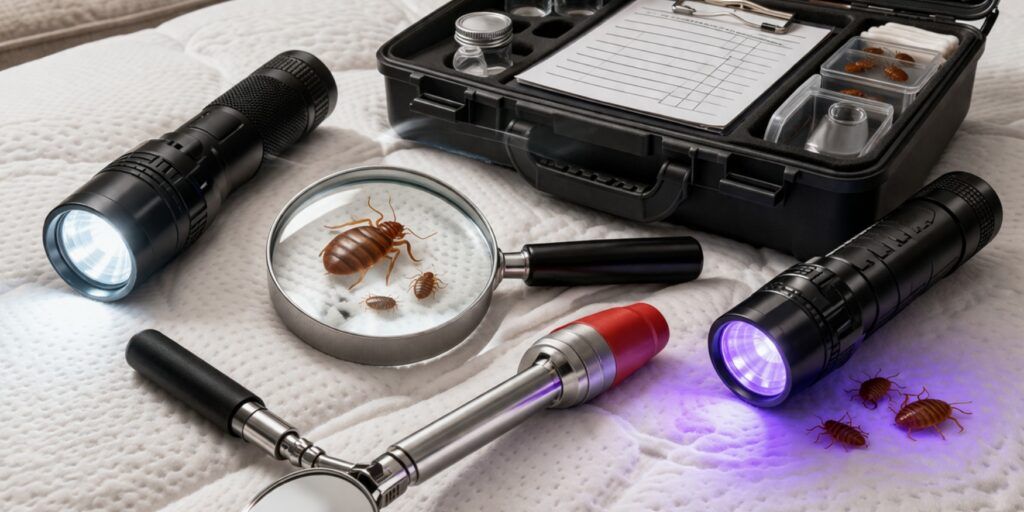
Professionals rely on specialized tools to increase accuracy. Bright flashlights and magnification tools help detect tiny eggs, shed skins, and early-stage nymphs that are difficult to see with the naked eye.
Some inspections also include:
Monitoring devices or interceptors placed near beds
Sticky traps to detect movement over time
K-9 detection units trained to identify bed bug scent in hard-to-reach areas
These tools enhance detection, especially when infestations are still developing or hidden deep within structures.
Signs Inspectors Look For During Bed Bug Inspections
Visual Indicators
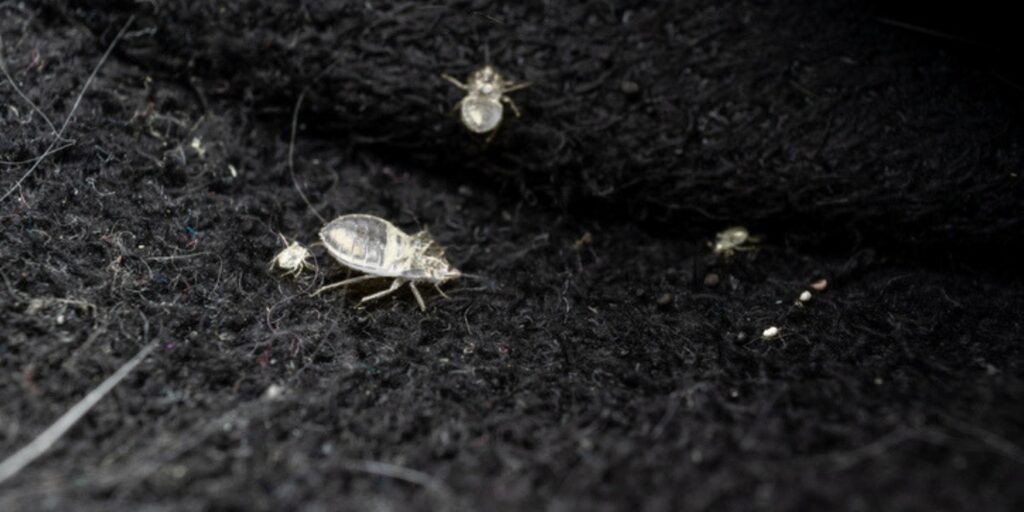
Inspectors look for a combination of live activity and physical evidence. Even if live bugs are not immediately visible, other indicators often confirm their presence.
Common visual signs include:
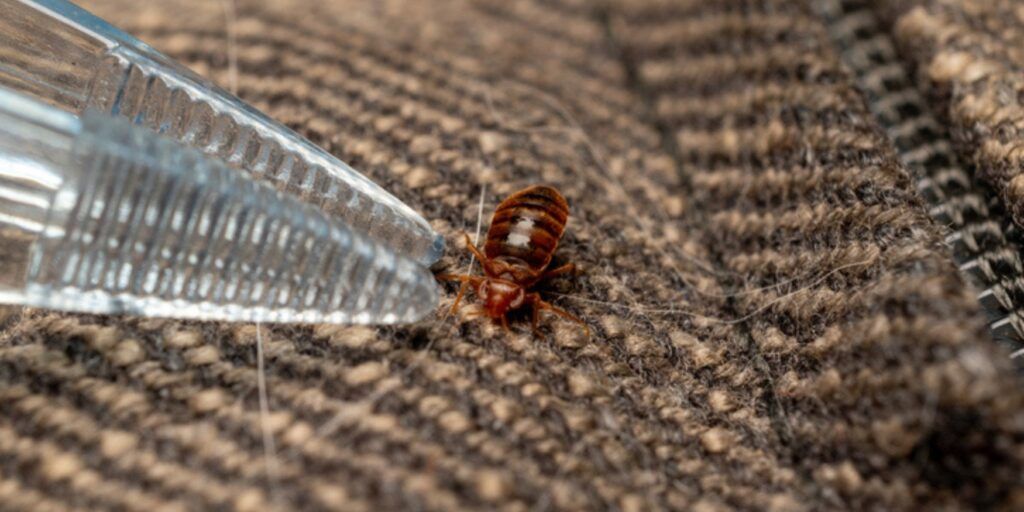
Live bed bugs in seams, joints, or crevices
Tiny white eggs or eggshells
Shed skins from the molting stages
Rust-colored blood spotting on bedding or furniture
These signs help determine both the presence and severity of the infestation.
Environmental Clues
In addition to physical evidence, inspectors consider environmental factors that may contribute to infestation.
They may ask about:
Recent travel or overnight stays
Use of secondhand furniture
Living in apartments or multi-unit housing
Areas of frequent use, such as couches or guest rooms
Understanding these factors helps identify the likely source and spread pattern of the infestation.
What Happens After the Inspection

Treatment Recommendations
Once the inspection is complete, the technician will explain the findings and recommend a treatment plan based on severity and location.
Options may include:
Heat treatment for whole-room elimination
Targeted chemical applications for localized infestations
Combination approaches for more complex cases
You’ll also receive a timeline outlining preparation steps, treatment duration, and expected results. Clear communication ensures you know exactly what to expect moving forward.
When to Schedule a Bed Bug Inspection Again
Follow-up inspections are often recommended to confirm that treatment was successful and no activity remains. In some cases, preventive inspections may also be suggested—especially for high-risk environments such as apartments or households with frequent travelers.
If you notice recurring signs or want peace of mind, it’s best to schedule a bed bug inspection before the issue escalates.
Common Misconceptions About Bed Bug Inspections

Many homeowners believe that if they don’t see live bugs, they don’t have a problem. In reality, early infestations can exist with minimal visible evidence. Another misconception is that cleaning or vacuuming alone can eliminate bed bugs—while helpful, these steps do not replace professional evaluation.
There’s also a belief that inspections are only necessary after severe infestations. In truth, early inspections are far more effective and cost-efficient, enabling faster, less invasive treatment.
How Inspections Improve Treatment Success Rates

A proper inspection lays the foundation for successful treatment. By identifying exactly where bed bugs are hiding and how far they’ve spread, professionals can tailor solutions that target the problem directly.
Without inspection, treatment often becomes guesswork—leading to missed areas, incomplete elimination, and reinfestation. Accurate detection ensures that all life stages are addressed and that treatment methods are applied where they are most effective.
This precision not only improves results but also reduces the likelihood of needing multiple treatments.
Preparing for a Professional Bed Bug Inspection

Homeowners can take simple steps to help ensure an effective inspection. Reducing clutter around beds and furniture makes it easier for inspectors to access key areas. Avoid using sprays or cleaning products before the visit, as they can mask signs and make detection more difficult.
Providing accurate information about recent travel, bites, or suspected areas of activity also helps technicians focus their efforts.
Preparation doesn’t need to be extensive—but a few small steps can significantly improve inspection accuracy.
Take Control with Early Detection
A professional bed bug inspection is one of the most important steps in protecting your home. It provides clarity, confirms whether activity is present, and ensures the right treatment approach is used from the start.
By understanding how inspections work and acting early, you can avoid the stress and cost of a widespread infestation. Whether you’re dealing with early signs or simply want peace of mind, a timely inspection is always the smarter move.
References
Centers for Disease Control and Prevention. (2022). Bed bugs FAQs. https://www.cdc.gov/parasites/bedbugs/faqs.html
Environmental Protection Agency. (2023). Bed bugs: Get them out and keep them out. https://www.epa.gov/bedbugs